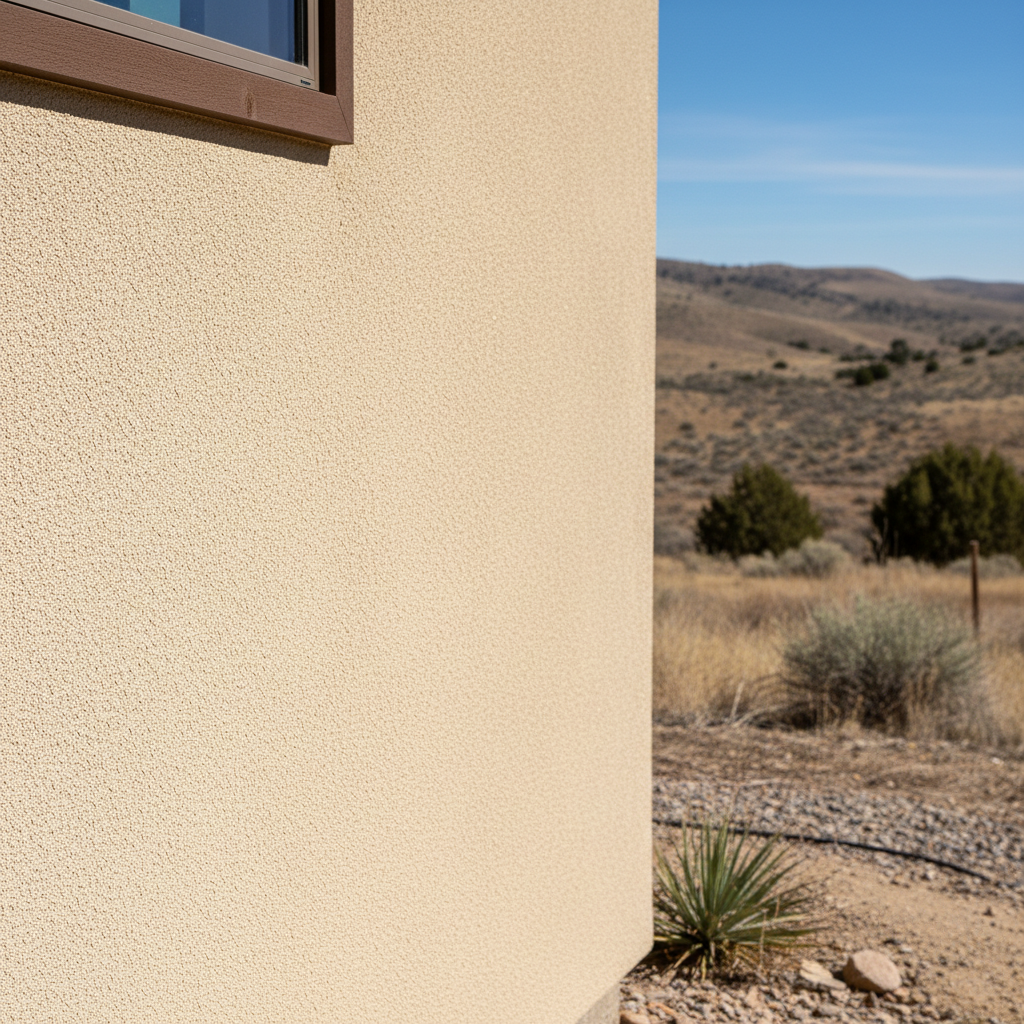
Alright, let's talk about painting stucco. It's a question I get asked a lot here in Taylorsville, especially when folks are looking to freshen up their homes without going through a full re-stucco job. There's a lot of misinformation out there, and I've seen some real messes from people who didn't know what they were doing. So, I figured I'd lay out the facts, answer your burning questions, and hopefully save you some headaches (and money).
Can I paint stucco? Is it a good idea?
Yes, you absolutely can paint stucco. Is it a good idea? That depends. If your stucco is in good shape – meaning no major cracks, no crumbling, no water intrusion issues – then painting can be a great way to update your home's look. It's usually cheaper than re-stuccoing, and it gives you a fresh, clean appearance. But if your stucco has underlying problems, painting it is like putting a band-aid on a bullet wound. You're just covering up the issue, and it'll come back to bite you later. We always tell folks to fix the stucco first, then paint.
What kind of paint should I use on stucco?
This is crucial. You can't just slap any old house paint on stucco. Stucco needs to breathe. It's a porous material, and if you seal it up with a non-breathable paint, you're asking for trouble. Moisture can get trapped behind the paint film, leading to bubbling, peeling, and even stucco failure. You want to use a high-quality, breathable elastomeric paint or a masonry-specific paint. Elastomeric paints are great because they're flexible; they can stretch and bridge hairline cracks, offering a bit more protection. They're also designed to be breathable while still providing excellent weather resistance. Don't cheap out here; the right paint makes all the difference for longevity.
How do I prepare my stucco for painting?
Preparation is probably 80% of a good paint job, especially with stucco. First, you need to clean it thoroughly. Power washing is usually the best way to remove dirt, grime, mold, and mildew. But be careful not to use too high a pressure, or you can damage the stucco. After cleaning, let it dry completely – and I mean completely. That can take a few days, especially if we've had one of those wet spring weeks here in Taylorsville. Next, you've got to repair any cracks or damage. Small hairline cracks can often be filled with a good quality elastomeric caulk or patching compound. Larger cracks or areas of crumbling stucco need proper stucco repair. Don't skip this step; paint won't fix structural issues.
How long does painted stucco last?
A well-prepared and properly painted stucco job using quality materials should last you a good 10-15 years, sometimes even longer. The biggest factors affecting longevity are the quality of the prep work, the type of paint used, and the local weather conditions. We get some pretty harsh winters and hot summers here in Utah, so UV exposure and freeze-thaw cycles can take their toll. Regular cleaning can also help extend the life of your painted stucco.
Will painting stucco hide cracks or imperfections?
It depends on the size of the imperfection. As I mentioned, elastomeric paints can bridge very fine hairline cracks. But for anything more substantial – say, a crack you can stick a credit card into, or areas with spalling (flaking) – paint won't hide it. In fact, painting over significant cracks can actually make them more noticeable over time as the paint eventually fails in those areas. You've got to repair those first. Think of paint as a finish coat, not a repair material.
What about moisture issues after painting?
This goes back to using the right paint and proper prep. If you use a non-breathable paint, or if you paint over stucco that's already holding moisture, you're going to have problems. The paint can trap moisture, leading to blistering, peeling, and eventually, mold and mildew growth behind the paint. This is especially true for older homes in areas like the Bennion neighborhood, where some of the original stucco might not have been installed with modern drainage systems. That's why cleaning and letting the stucco dry out completely before painting is non-negotiable. If you suspect you have chronic moisture issues, painting isn't the solution; you need to address the source of the water first.
Look, painting stucco isn't rocket science, but it's not a job to take lightly either. Doing it right means taking your time, using the right materials, and understanding how stucco works. If you're unsure, or if your stucco has seen better days, give us a call at Taylorsville Stucco & Plastering. We can take a look and give you an honest assessment of what your home really needs.