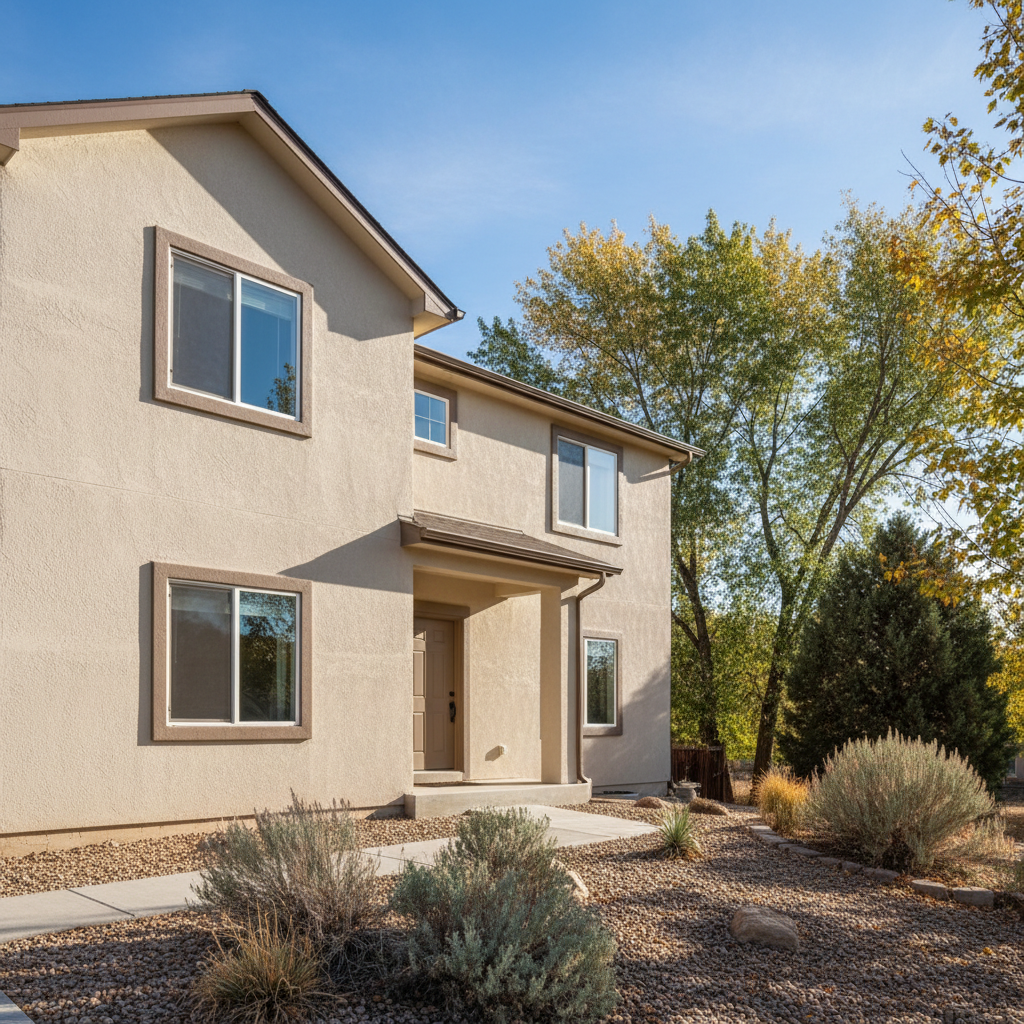
You've invested in stucco for your commercial building, and that's a solid decision. It looks sharp, it's durable, and it's a great insulator. But just like anything else, it's not a set-it-and-forget-it solution, especially here in Taylorsville. Our climate, with its hot summers and freezing winters, can really put a stucco system to the test. If you want that investment to last, you've got to take care of it.
Extending the Life of Your Commercial Stucco
The biggest thing you can do to make your commercial stucco last is pretty simple: keep it clean and keep it dry. Sounds obvious, right? But you'd be surprised how often these basic steps get overlooked on busy commercial properties.
- Regular Cleaning: Dirt, dust, and pollutants build up. Not only does it look bad, but it can also trap moisture against the surface, leading to issues over time. A good, gentle wash every couple of years with a low-pressure power washer and a mild detergent is usually all it takes. Don't go blasting it with high pressure; you can damage the finish.
- Manage Water Intrusion: This is huge. Water is stucco's number one enemy. Make sure your gutters and downspouts are clean, functional, and directing water well away from your building's foundation. Check your sprinkler systems too; they shouldn't be constantly soaking the stucco walls. We see a lot of issues around commercial properties where irrigation is hitting the base of the walls daily, and that's just asking for trouble.
- Sealants and Caulking: Pay attention to all the joints and penetrations – around windows, doors, utility pipes, and where the stucco meets other materials. These are common entry points for water. Check them annually and re-caulk with a good quality elastomeric sealant if you see any cracks or gaps.
- Paint and Coatings: If your stucco is painted, a fresh coat every 5-10 years (depending on the paint quality and exposure) can add another layer of protection against the elements and UV damage.
What Regular Maintenance Looks Like
For a commercial property, regular maintenance doesn't have to be a huge undertaking, but it does need to be consistent. I'd recommend a visual inspection at least quarterly, and a more thorough check-up once a year.
- Quarterly Walk-Around: Just take a walk around the building. Look for anything obvious: dirt buildup, green algae growth (especially on north-facing walls that stay damp longer), cracks, or peeling paint. Check those gutters after a big storm.
- Annual Deep Dive: This is where you get a bit closer. Really examine the caulk lines. Look for efflorescence (white powdery deposits) which can indicate moisture moving through the stucco. Check for any soft spots or areas where the stucco might sound hollow when you tap it gently. Pay extra attention to areas prone to snowdrifts in winter, like lower walls near parking lots or loading docks. The freeze-thaw cycles we get here in Taylorsville are brutal on any exterior material, and stucco is no exception.
Warning Signs of Problems
Catching problems early is key to preventing expensive repairs down the road. Keep an eye out for these red flags:
- Cracks: Hairline cracks are pretty normal, but anything wider than a credit card, or cracks that form a spiderweb pattern, could indicate a bigger issue. Vertical cracks often mean structural movement, while horizontal cracks might point to water damage or improper installation.
- Stains: Dark streaks, green or black discoloration, or white powdery stains (efflorescence) are all signs of moisture problems.
- Bulging or Soft Spots: If the stucco looks like it's bubbling, bulging, or feels soft when you press on it, that's a serious sign of water intrusion and potential damage to the underlying substrate.
- Peeling or Flaking Paint: This indicates that moisture is getting behind the paint, pushing it off the surface.
- Separation: If the stucco is pulling away from window frames, door frames, or other trim, water is definitely getting in.
When to Call a Professional
Look, you're busy running your business. While some basic cleaning and caulking you can handle, there are times when you absolutely need to call in the pros. Don't try to DIY major stucco repairs. You could make things worse, and that'll cost you more in the long run.
You should call us at Taylorsville Stucco & Plastering if you see any of those major warning signs: significant cracking, bulging, widespread staining, or any indication of structural water damage. If you're unsure about the extent of a problem, or if you just don't have the time or expertise to properly inspect or repair it, that's what we're here for. We've been working with stucco in this area for years, and we know exactly what to look for and how to fix it right.
Getting a professional assessment can save you a ton of headaches and money. We can identify the root cause of issues, not just patch over the symptoms, ensuring your commercial property stays protected and looks its best for years to come.